
From Chips to Capital: How U.S.–China Tech Tensions Are Escalating on Multiple Fronts

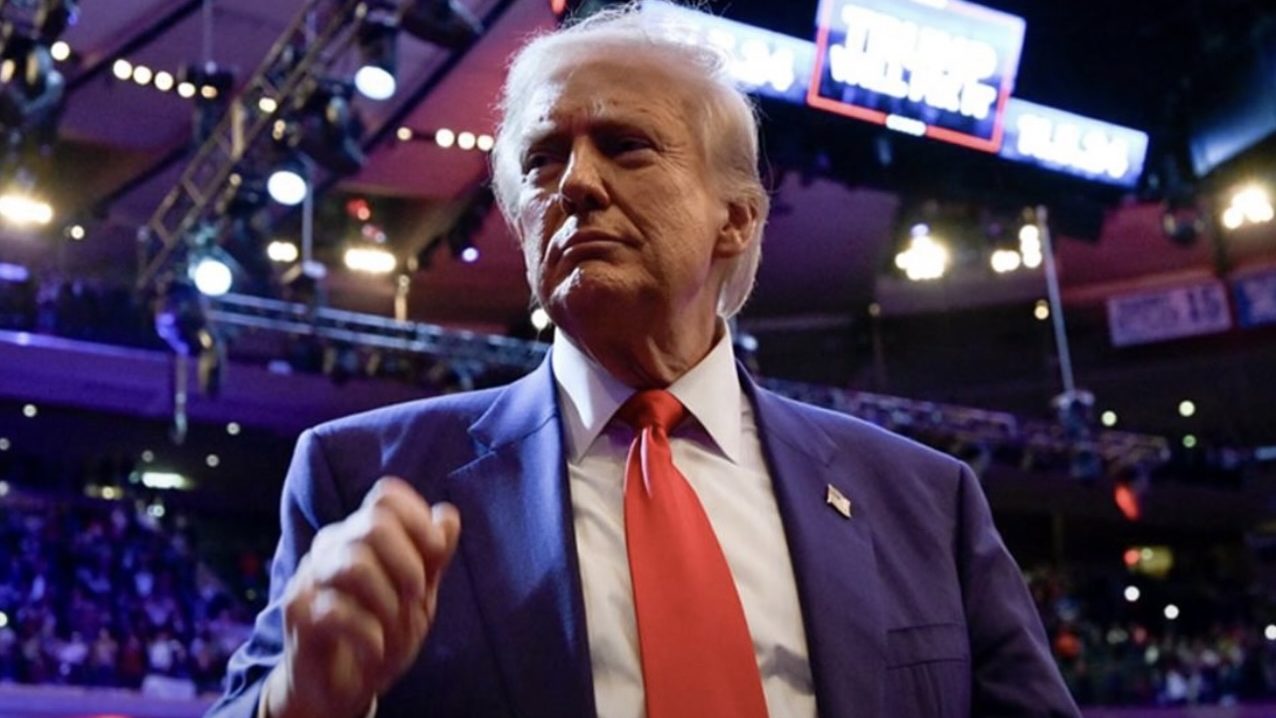
US President Donald J Trump
The United States’ technology standoff with China entered a sharper phase this week after President Donald Trump ordered the divestment of a $2.9 million semiconductor deal, citing national security concerns despite the transaction’s relatively modest size. The directive which forces the Chinese linked buyer to unwind the acquisition within 180 days — sent a clear signal that no technology deal is too small to escape geopolitical scrutiny.
The move underscores a broader recalibration in Washington, where strategic risk now outweighs commercial value in decisions involving advanced technology. Even niche chipmaking assets, once considered peripheral, are increasingly viewed through the lens of sovereignty, supply-chain resilience, and long-term military and economic leverage.
Earlier signs of this shift appeared when the U.S. Interior Department grounded its fleet of Chinese-made drones, citing fears over data security and surveillance risks. The decision abruptly halted the use of hundreds of drones across federal agencies, illustrating how mistrust of foreign made technology was no longer confined to defence systems or telecoms infrastructure, but extended into civilian and environmental operations as well.
As security concerns hardened, the fallout spread beyond hardware and into global capital markets. The delisting of Didi from the New York Stock Exchange marked a symbolic break in what had once been a thriving relationship between Chinese tech firms and U.S. investors. Once celebrated as evidence of deep financial integration, Chinese listings in New York have increasingly come to be seen as liabilities — exposed to regulatory pressure from both Beijing and Washington.
Beijing, meanwhile, has pushed back against what it sees as a coordinated effort to contain its rise. Chinese officials have repeatedly brushed off Western concerns including NATO’s warnings about China’s growing technological and strategic footprint framing them as exaggerated and politically motivated rather than grounded in economic reality.
The dispute has now fully spilled into the multilateral arena. At the World Trade Organization, the United States has accused China of predatory trade practices, arguing that state subsidies and industrial policies distort markets and undermine fair competition. China has rejected the claims, insisting that its development model complies with global trade rules and mirrors policies used historically by advanced economies.
Enjoying this article?
Subscribe to get more stories like this delivered to your inbox.
Taken together, these episodes point to a deeper structural shift. What began as selective tariffs and export controls has evolved into a system-wide reassessment of technological interdependence. Chips, drones, stock listings and trade rules are no longer isolated policy domains they are interconnected battlegrounds in a wider contest over influence, resilience and economic power.
For businesses and investors, the lesson is increasingly stark: in the emerging global order, geopolitics is no longer a background risk it is a primary variable.
Publisher & Jefferson Fellow of East-West Centre, Hawaii. Currently pursuing a DBA in Emerging Technologies (AI)