
Super El Niño could drive more child marriages across Asia and the Pacific, says NGO
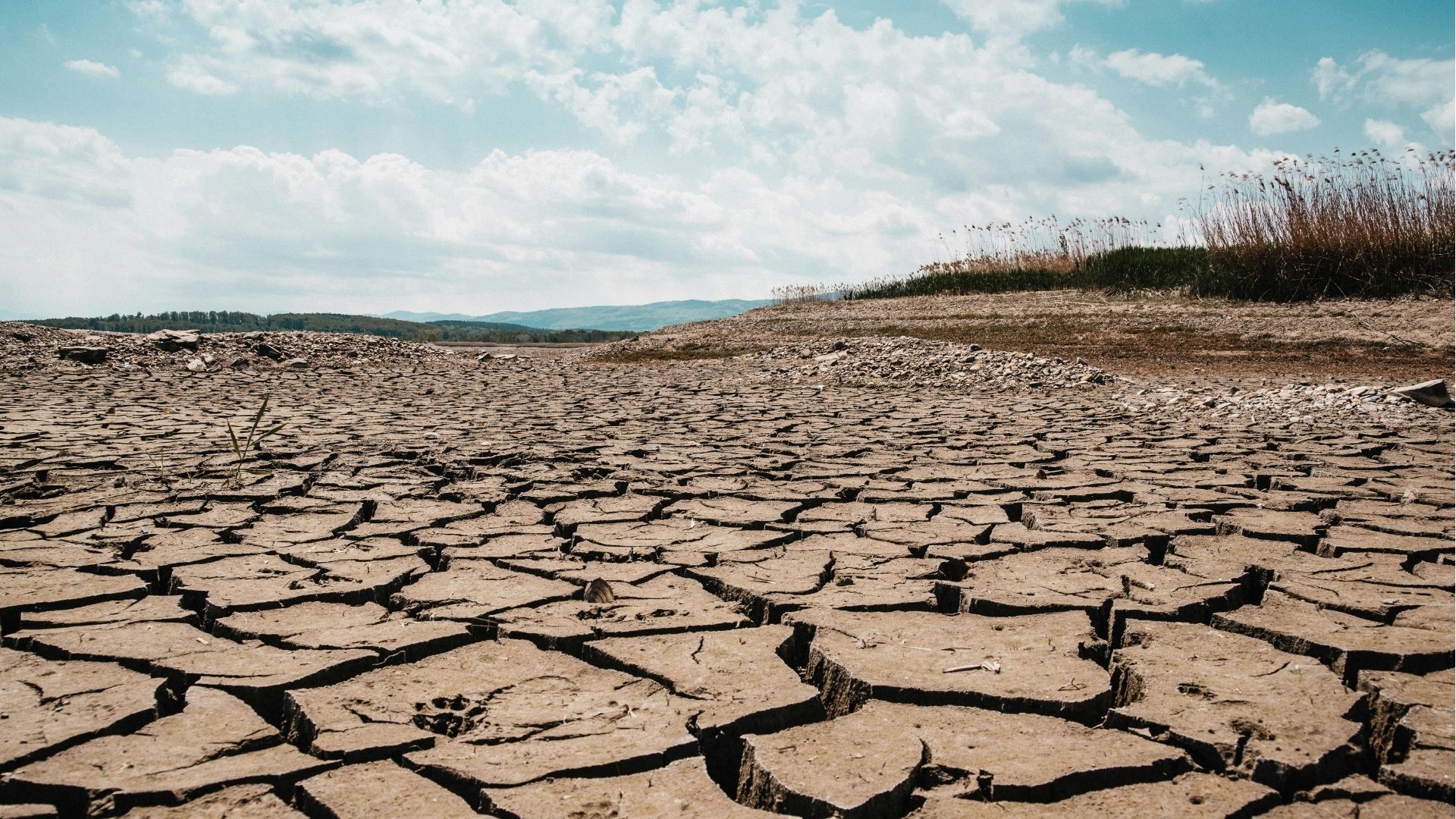
Arid climate and drought
A global humanitarian organisation recently highlighted the connection between climate change, natural disasters, and child marriages in Asia and the Pacific. And with the super El Niño expected in the region this year, the issue could get worse.
Plan International told Australia’s ABC News that climate change is driving child marriages. The organisation said that there are 12 million girls who are likely to become child brides this year. The issue, which is present across different religions and cultures, is that South Asia has the highest number of child brides, accounting for around 45% globally.
Child marriage is connected with other problems, including poverty, food insecurity, and gender inequality. And while climate change and natural disasters do not directly cause the number of child marriages to go up, they exacerbate the conditions that drive them.
Warmer temperatures and higher sea levels cause tropical storms to increase in intensity, which means a greater impact on communities.
The International Rescue Committee said that the number of child marriages can go up by as much as 39% after a natural disaster in Bangladesh, a country where over half of girls are wed before the age of 18.
ABC told the story of Runa, now 17. Two years ago, Cyclone Remal killed her widowed mother’s livelihood, leaving her unable to support Runa and her two brothers, and leading her to arrange for Runa to marry a man she had never met.
Runa had no wish to get married, as she wanted to get an education. And although she became a mother later on, her husband’s family fortunately allowed her to resume her studies, which she has been able to do with the help of NGOs. Other child brides have not been so lucky.
Super El Niño
This year, scientists have said that Asia is likely to be affected by an unusually strong El Niño. The weather phenomenon is likely to make 2027 the hottest year on record, and South and Southeast Asia, along with southern Africa and Australia, are expected to experience a period of intense dryness. Aside from bringing more heat, economies will also feel adverse effects.
Enjoying this article?
Subscribe to get more stories like this delivered to your inbox.
"We are facing climate experiences almost every year, and El Niño will affect us dearly," Kamrul Hasan Shawon, the climate change and resilience program manager for Plan International in Bangladesh, told ABC News.
Plan International and the University of Technology Sydney have found that across Asia and the Pacific, girls are disproportionately affected by climate change. A joint report to be published later this year examines how the lives of girls in Bangladesh, Nepal and the Solomon Islands are affected by climate-related shocks and environmental stressors. /TISG
Read also: NUS professor warns Super El Niño could deepen Asia’s energy and economic woes
Senior Writer