
US Strategic Petroleum Reserve hits lowest level since 1983 as war-driven drawdowns accelerate

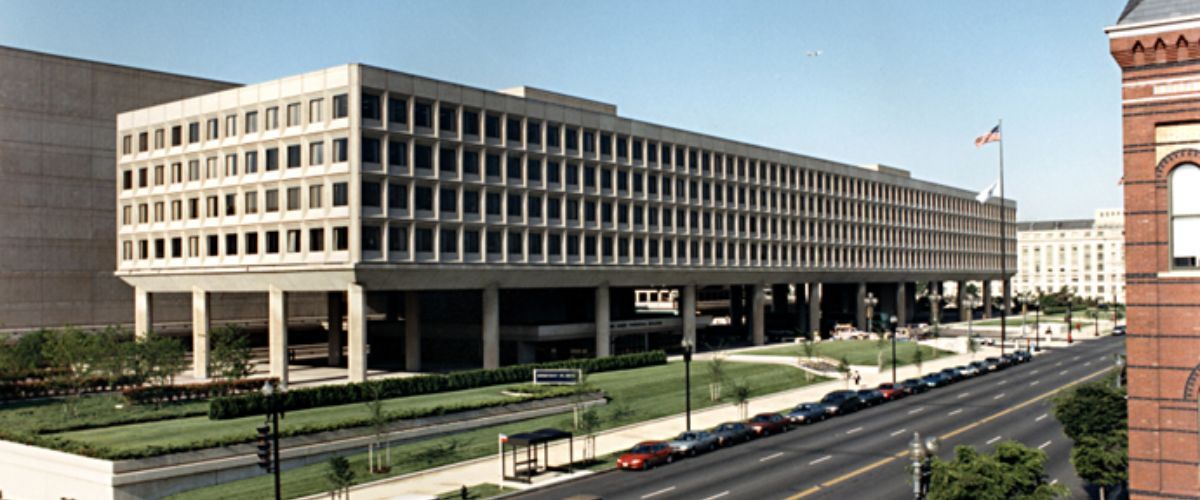
Photo: US Department of Energy Headquarters, The Forrestal Building, Independence Avenue
USA: Stocks of crude oil in the United States Strategic Petroleum Reserve fell by about 3 million barrels last week to 316.5 million barrels, which is the lowest level since April 1983, as the government continues drawing down the emergency stockpile to cushion the impact of the ongoing war on Iran.
According to data from the Department of Energy, SPR inventories have fallen by 98.9 million barrels since the US-Israeli war on Iran began at the end of February, as part of a broader agreement to release 172 million barrels from the facility.
Reuters reports that overall US inventories, combining commercial and SPR stocks, fell by 123.9 million barrels to 730.8 million barrels as of July 3, the lowest level since 1984. Updated figures through the end of last week are expected on Wednesday.
What the numbers mean
The SPR was designed as an emergency buffer for exactly the kind of supply disruption that the closure of the Strait of Hormuz has caused. However, it was not designed to be drawn down indefinitely. At current rates, the continued depletion of both the SPR and commercial inventories raises serious questions about how much runway remains before the buffers that have kept US fuel prices from spiking more dramatically are exhausted.
The 172-million-barrel release agreement suggests a defined endpoint to the drawdowns, and with 98.9 million barrels already released since late February, the remaining room is shrinking.
Netizens are fearful and frustrated
The data drew deeply concerned responses online, with many commenters focused not on the geopolitics but on the practical consequences for everyday Americans.
One commenter laid out the timeline problem in stark terms. “This means that we aren’t going to see gas prices staying at $3.99 indefinitely due to the government adding to the supply. Time is running out, and the true price will be revealed, and it is going to last a long time. It takes nearly a month to get oil to the US from the Middle East. Even if the strait were opened today and there was an endless stream of oil tankers flowing through, that would take several months just to keep pace with current usage. We are already past the point of no return.”
They added a pointed assessment of the diplomatic situation: “Iran has no reason to negotiate and bombing their country doesn’t resolve the current problems. All they have to do is run out the clock, which they already know.”
Another commenter flagged the downstream impact on refining capacity and what it means for lower-income households. “Reserves are critically low and the supply of oil isn’t enough. This is a bit precarious as refining capacity has declined. This fall is gonna be a tough time for the poor and middle class.”
Some were already planning for more severe scenarios. “Expect fuel rationing to happen. You aren’t going to be able to fill up your car with gas unless it’s on a specific day. With my commute, I'm expecting I’ll have to keep extra gas cans at home to make sure I can still make it to and from work.”
Perhaps the most affecting response came from a veteran in their 20s living on a fixed disability income. “I’m scared. Honestly. I don’t know what I’ll do with these prices. I’ve stocked up on things but gas is something you can’t really ‘plan ahead for’. This is the most unnerving timeline I’ve been in yet.”
Enjoying this article?
Subscribe to get more stories like this delivered to your inbox.
Why this matters beyond the US
For energy-importing countries across Asia, including Singapore, which imports virtually all of its energy needs, the continued drawdown of US strategic reserves and the tightening of global oil inventories is not just a distant American concern. Global oil prices are set at the margin, and when the buffers that have kept a lid on prices run low, the adjustment tends to be sharp and fast.
As analysts noted earlier this week, the shock absorbers that cushioned the initial impact of the Hormuz closure, i.e. spare production capacity, demand compression, and strategic reserves, have largely been deployed. The world is now in a more exposed position than it was when the conflict began, and the SPR data released this week makes that exposure concrete.
Read also: US to hit Brazil with 25% tariffs from July 22, with total burden potentially reaching 37.5%
Writer